
Pelonis Air Conditioner Manual: A Comprehensive Guide

Pelonis air conditioner manuals, including those for models like AC100-20AR and Fz10, are readily available as PDF downloads from resources like ManualsLib.
Pelonis offers a diverse range of portable air conditioners and cooling solutions designed for comfort and efficiency. Their products, including models like the Fz10 and AC100-20AR, cater to various cooling needs. Accessing the correct user manual is crucial for optimal performance and safety. These manuals, often available as PDF downloads, provide essential information on operation, maintenance, and troubleshooting. Pelonis emphasizes user-friendly designs and energy-saving features within their air conditioner lineup, ensuring a comfortable indoor climate.
Understanding Your Pelonis Model
To fully utilize your Pelonis air conditioner, identifying your specific model number is paramount. This information, crucial for accessing the correct user manual, is typically found on a label located on the unit itself. Pelonis offers various models, such as the Fz10 24pr and AC100-20AR, each with unique features and specifications. Referencing the appropriate PDF manual ensures you understand your model’s specific controls, functions, and maintenance requirements for optimal performance.
Identifying Your Specific Model Number
Locating your Pelonis air conditioner’s model number is essential for accessing the correct documentation. Typically, a sticker or label affixed to the unit’s rear or side panel displays this information. Common models include AC100-20AR, Fz10 24pr, and Pfz36r0apk. This number is vital when downloading the corresponding PDF manual from resources like ManualsLib. Accurate identification guarantees you have the precise instructions for your appliance, covering operation, maintenance, and troubleshooting.
Safety Precautions
Prioritize safety when operating your Pelonis air conditioner. Always ensure proper electrical grounding to prevent shock hazards, as noted in user manuals. Avoid operating the unit with a damaged cord or plug. Caution: a warm plug is normal, but a loose fit isn’t. Disconnect the unit before cleaning or performing maintenance. Follow all instructions carefully to prevent potential risks and ensure long-lasting, safe operation of your cooling appliance.
Important Safety Instructions
Read all instructions thoroughly before using your Pelonis air conditioner. To reduce the risk of fire, electric shock, or injury, always unplug the unit before cleaning or servicing. Do not operate with a damaged cord or plug. Ensure proper ventilation and avoid obstructing airflow. This appliance isn’t intended for use by individuals with reduced physical, sensory, or mental capabilities without supervision.
Electrical Safety Guidelines
Always ensure the Pelonis air conditioner is plugged into a grounded outlet with the correct voltage. Avoid using extension cords or adapters. A warm plug is normal during operation, but a loose fit indicates a problem – discontinue use immediately. Never operate the unit in wet conditions or with damp hands. Disconnect the power before performing any maintenance or cleaning to prevent electric shock.
Components and Features
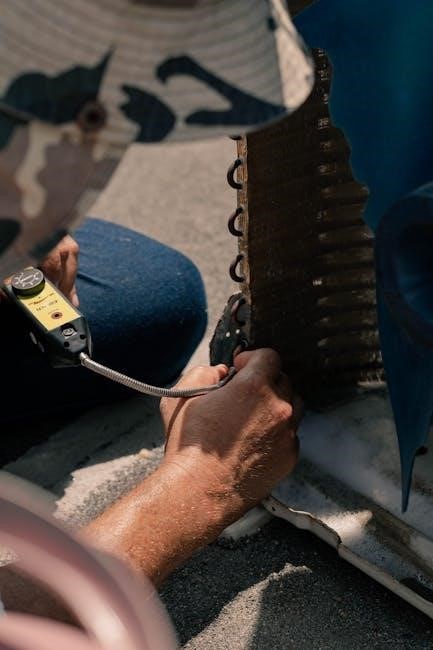
Pelonis air conditioners consist of key parts like the fan, cooling system, and control panel. Tower fans feature easily assembled base parts and a power cord routing system. The control panel allows for mode selection – cool, fan, dry, and auto – and temperature adjustments. Understanding these components ensures proper operation and maintenance of your portable or local air conditioning unit.
Air Conditioner Parts Overview
Pelonis air conditioners generally include a fan for air circulation, a cooling mechanism (depending on the model), and a base, often in two easily connectable parts for tower fans. The power cord is a crucial component, threading through the base. Internal parts facilitate cooling or heating, while the exterior houses the control panel for operational adjustments. Proper understanding aids maintenance;
Control Panel Explanation
The Pelonis air conditioner control panel allows for mode selection – choosing between cool, fan, dry, or auto functions. Temperature adjustment is typically managed via plus and minus buttons. Power controls initiate or terminate operation. Some models feature oscillation controls, while others include timer settings for automated shut-off. Understanding these functions ensures optimal usage and personalized comfort levels.
Operating Instructions
To begin, ensure the Pelonis air conditioner is properly plugged into a grounded outlet. Power on the unit using the power button on the control panel or remote. Select your desired mode – cool, fan, dry, or auto – based on your comfort needs. Adjust the temperature to your preference using the corresponding controls. Regularly check the unit’s operation for optimal performance.

Powering On and Off
To power on your Pelonis air conditioner, locate the power button on the control panel or the remote control. A single press will initiate the unit’s operation. To turn off the air conditioner, press the power button again; the unit should cease functioning and enter standby mode. Ensure the power cord remains securely plugged into a grounded outlet during operation.
Mode Selection (Cool, Fan, Dry, Auto)
Your Pelonis air conditioner offers several modes. “Cool” lowers the room temperature. “Fan” circulates air without cooling. “Dry” reduces humidity; “Auto” intelligently adjusts cooling and fan speed based on room temperature. Select your desired mode using the control panel or remote. The selected mode will be indicated on the display panel, allowing for convenient operation and personalized comfort levels.
Temperature Adjustment
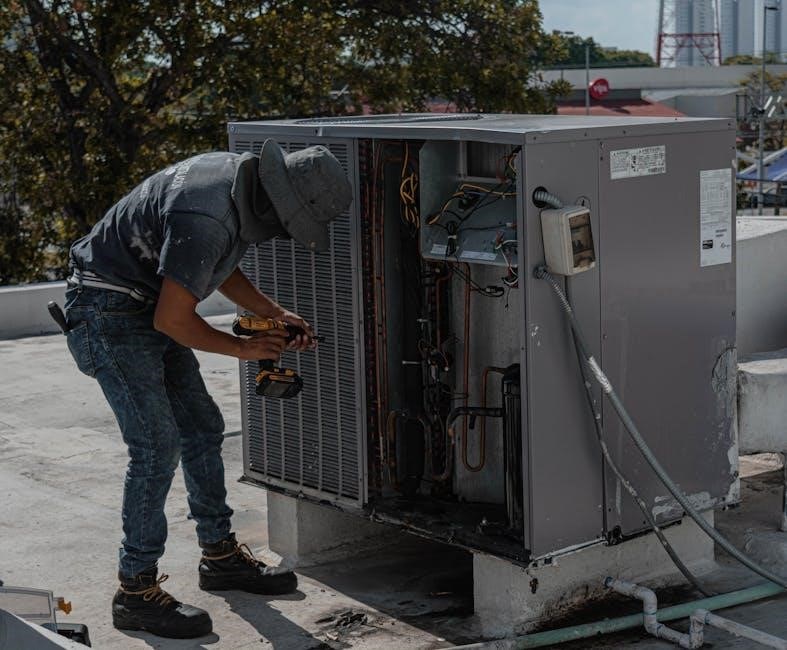
Adjust the desired room temperature using the “Temp Up” and “Temp Down” buttons on the control panel or remote. The temperature range is typically between 61°F and 86°F (16°C and 30°C). The current set temperature will be displayed on the unit’s display panel. Fine-tune the temperature for optimal comfort, remembering that gradual adjustments are often more effective for maintaining a consistent climate.
Remote Control Functions
The Pelonis remote control offers convenient operation of your air conditioner. Functions include power on/off, mode selection (Cool, Fan, Dry, Auto), temperature adjustment, fan speed control, and timer settings. Ensure proper pairing for functionality. Refer to the user manual for a detailed button guide, as specific button layouts may vary between models. Regularly check the batteries to maintain reliable operation.
Remote Control Button Guide
The Pelonis remote features buttons for power, mode (Cool, Fan, Dry, Auto), temperature up/down, fan speed (Low, Medium, High, Auto), and a timer. A dedicated sleep mode button optimizes comfort during rest. The directional airflow button adjusts louver positioning. Ensure clear line of sight between remote and unit. Consult your specific model’s manual for a detailed diagram and function explanations, as button layouts can differ.
Remote Control Pairing
Typically, Pelonis remote controls are pre-paired with the unit. If the remote becomes unresponsive, pairing may be required. This usually involves removing the batteries from both the remote and the air conditioner, then reinserting them while close to the unit. Some models may have a dedicated “reset” or “pair” button on the air conditioner itself. Refer to your specific model’s manual for detailed pairing instructions, as procedures vary.
Maintenance and Cleaning
Regular maintenance ensures optimal performance of your Pelonis air conditioner. Key tasks include frequent filter cleaning to maintain air quality and cooling efficiency. The exterior should be wiped down with a damp cloth. Before long-term storage, thoroughly clean the unit and ensure it’s completely dry to prevent mold growth; Always disconnect the power before any cleaning procedure for safety.
Filter Cleaning Procedures

To clean your Pelonis air conditioner’s filter, first, disconnect the unit from power. Locate and remove the filter, typically found behind the front panel. Vacuum the filter to remove loose dust, then gently wash it with mild soap and water. Ensure the filter is completely dry before reinstalling it. Regular cleaning – ideally every two weeks – maintains optimal airflow and cooling performance.
Exterior Cleaning Instructions
To maintain your Pelonis air conditioner’s appearance, wipe the exterior surfaces with a soft, damp cloth. Avoid using harsh chemicals or abrasive cleaners, as these can damage the finish. For stubborn stains, a mild detergent solution can be used, followed by a clean water rinse. Ensure the unit is unplugged before cleaning, and never spray water directly onto the appliance.
Long-Term Storage Guidelines
When storing your Pelonis air conditioner for extended periods, thoroughly clean and dry all components, including the filter. Store the unit in a cool, dry place, covered to protect against dust and debris. Disconnect the power cord and secure it to prevent damage. Regularly check the stored unit to ensure no moisture buildup occurs, preserving optimal functionality for future use.
Troubleshooting Common Issues
If your Pelonis air conditioner isn’t cooling, check the filter for blockage and ensure proper ventilation. A non-responsive remote may require new batteries or re-pairing. Consult the manual for specific error codes; these indicate potential problems needing attention. Addressing these issues promptly ensures continued efficient operation and extends the lifespan of your cooling appliance.
Air Conditioner Not Cooling
If your Pelonis air conditioner fails to cool, first verify the unit is powered on and set to a cooling mode. A clogged air filter significantly restricts airflow, hindering cooling performance – clean it immediately. Ensure proper ventilation around the unit; obstructions impede heat dissipation. Check for ice buildup on the coils, indicating a potential issue requiring professional attention.
Remote Control Not Working
When your Pelonis remote control isn’t responding, begin by replacing the batteries with fresh ones. Confirm there’s a clear line of sight between the remote and the air conditioner’s sensor, free from obstructions. Attempt to re-pair the remote with the unit, following the instructions in your user manual. If issues persist, inspect the remote for physical damage or button malfunctions.
Error Codes and Their Meanings
Pelonis air conditioners utilize error codes to signal malfunctions. While specific codes vary by model, consulting your user manual is crucial for accurate diagnosis. Common issues indicated by codes might involve sensor failures, compressor problems, or fan motor errors. Addressing these promptly prevents further damage. If an error code appears, attempt a unit reset; if the problem continues, contact Pelonis customer support.
Pelonis Air Conditioner FAQs
Frequently Asked Questions address common user concerns regarding Pelonis air conditioners. A key question centers on the difference between air conditioners and air coolers – conditioners actively cool air using refrigerant, while coolers utilize evaporation. Users also inquire about filter replacement schedules and accessing PDF manuals online. Pelonis provides comprehensive support resources to assist with these and other frequently encountered issues.
Air Conditioner vs. Air Cooler Differences
A crucial distinction exists between Pelonis air conditioners and air coolers. Air conditioners employ refrigerant to actively cool air, removing both heat and humidity. Conversely, air coolers leverage water evaporation, providing a cooling effect but increasing humidity levels. Air conditioners are generally more effective in hot, humid climates, while coolers suit drier environments. Understanding this difference aids in selecting the appropriate cooling solution.
Filter Replacement
Regular filter replacement is vital for maintaining your Pelonis air conditioner’s efficiency and air quality. Specifically, the AC100-20AR model requires periodic filter changes. Finding replacement filters is straightforward; they are available through various online retailers and potentially directly from Pelonis. Consistent filter maintenance ensures optimal performance and prolongs the lifespan of your cooling appliance, contributing to cleaner, healthier air.
Pelonis AC100-20AR Filter Information
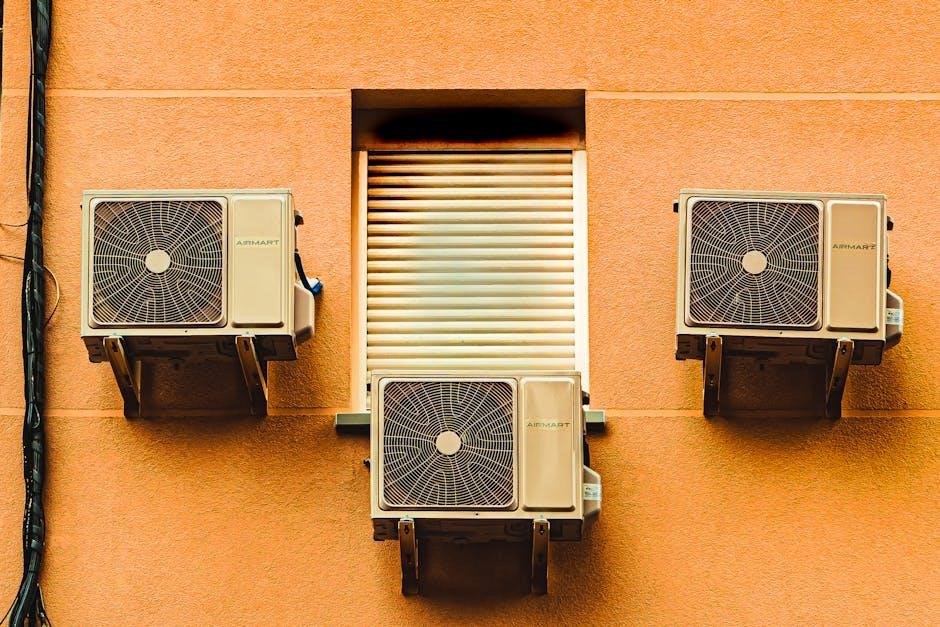
The Pelonis AC100-20AR utilizes a specific filter designed for its water-cooled air cooler fan system. This filter is crucial for capturing dust and impurities, ensuring clean air circulation. Users should consult the AC100-20AR user manual – a 23.0MB PDF – for detailed instructions on filter location, removal, and recommended replacement intervals. Proper filter care maximizes cooling performance and maintains air quality.
Finding Replacement Filters
Locating replacement filters for your Pelonis air conditioner, specifically the AC100-20AR model, requires checking authorized retailers and online marketplaces. The user manual directs owners to appropriate sources. Searching online using the model number and “replacement filter” yields various options. Ensure compatibility before purchasing, verifying dimensions and filter type. Regularly replacing the filter—as outlined in the PDF manual—optimizes performance.
Downloading Pelonis Manuals
Pelonis provides convenient access to PDF manuals for its air conditioners and other appliances through platforms like ManualsLib. This online resource hosts over 238 Pelonis manuals, including those for specific models like the Fz10 and AC100-20AR. Users can easily search, view, and download these manuals to access detailed instructions, troubleshooting tips, and warranty information, ensuring optimal product usage and maintenance.
Accessing PDF Manuals on ManualsLib
ManualsLib serves as a central hub for downloading Pelonis air conditioner PDF manuals. Simply navigate to the website and utilize the search function, entering your specific model number (e.g., AC100-20AR, Fz10). The platform offers a user-friendly interface, allowing for quick access to comprehensive documentation, including user guides, installation instructions, and troubleshooting resources, all available for free download and offline viewing.
Warranty Information
Pelonis provides warranty coverage for its air conditioners, protecting customers against manufacturing defects. Specific terms and conditions vary by model and region, so reviewing your product’s documentation is crucial. Generally, the warranty covers parts and workmanship for a defined period. Registration of your Pelonis air conditioner may be required to activate the full warranty benefits. Copyright 2026 PELONIS, all rights reserved.
Pelonis Warranty Coverage
Pelonis warranty coverage typically includes defects in materials and workmanship under normal use. The duration varies, but often spans one year from the original purchase date. This coverage doesn’t extend to damage from misuse, accidents, or unauthorized repairs. Proof of purchase is essential for any warranty claim. Customers should contact Pelonis customer support to initiate the warranty process and understand specific limitations.
Technical Specifications

Pelonis air conditioners boast varied technical specifications depending on the model. Power requirements generally range from standard 120V outlets. Cooling capacity, measured in BTUs, differs significantly – some models offer 10,000 BTU cooling, while others provide higher outputs. Detailed specifications, including dimensions and weight, are available in each unit’s specific PDF manual, accessible through resources like ManualsLib for precise information.
Power Requirements
Pelonis air conditioners typically operate on standard 120V electrical outlets, making them convenient for most homes. However, always verify the specific voltage and amperage requirements listed in your model’s user manual before plugging it in. Improper voltage can damage the unit. The manual details safe electrical guidelines and cautions against loose outlet connections, preventing potential shock hazards.
Cooling Capacity
Pelonis air conditioners offer varying cooling capacities, often measured in BTUs (British Thermal Units). The appropriate BTU level depends on the room size you intend to cool; larger rooms require higher BTU ratings for effective temperature control. Consult your specific model’s manual to determine its cooling capacity and recommended room size. Proper sizing ensures optimal performance and energy efficiency.
Understanding Energy Efficiency
Pelonis air conditioners are designed with energy conservation in mind. To maximize efficiency, regularly clean the air filter to ensure proper airflow. Utilize the sleep mode or timer functions to avoid unnecessary operation. Consider using the ‘auto’ setting, allowing the unit to adjust cooling based on room temperature. Proper usage contributes to lower energy bills and a reduced environmental impact.
Energy Saving Tips
To optimize Pelonis air conditioner energy use, keep windows and doors sealed during operation. Avoid direct sunlight exposure, utilizing curtains or blinds. Regularly clean the filter for efficient airflow, reducing strain on the unit. When away for extended periods, utilize the timer function or power off completely. Consider a ceiling fan to supplement cooling, lessening AC reliance.
Additional Resources
For further assistance with your Pelonis air conditioner, explore the comprehensive support network offered by the manufacturer. Direct contact information for Pelonis customer support is crucial for resolving specific issues. Online resources, including frequently asked questions and downloadable manuals from ManualsLib, provide valuable self-service options. Remember to have your model number readily available when seeking support.
Pelonis Customer Support Contact Information
While specific contact details weren’t directly found in the provided snippets, accessing Pelonis customer support is vital for personalized assistance. Checking the official Pelonis website is the best starting point for current contact numbers and email addresses. Many manuals direct users to online FAQs and support portals as initial troubleshooting steps before direct contact.