Sleeping Bag Temperature Guide: A Comprehensive Overview (Updated 04/07/2026)
Navigating the world of sleeping bags requires understanding temperature ratings, which can be confusing for newcomers due to the variety and multiple temperature scales presented.
Understanding Temperature Ratings
Sleeping bag temperature ratings are designed to give you an idea of the lowest temperatures at which a bag will keep an average sleeper warm. However, these ratings aren’t absolute and can be quite subjective, leading to confusion. It’s crucial to recognize that a “30°F” bag doesn’t guarantee warmth at 30°F for everyone.
Manufacturers historically used their own testing methods, resulting in inconsistent and often inflated ratings. This lack of standardization made comparing bags from different brands difficult. Thankfully, the industry has moved towards more standardized testing, primarily utilizing the EN/ISO standards (discussed further below).
Most bags display three temperature ratings: Comfort, Limit, and Extreme. These represent different levels of thermal resistance and are intended for different user scenarios. Understanding the nuances of each rating is vital for selecting a bag appropriate for your intended adventures. Ignoring these distinctions can lead to uncomfortable, or even dangerous, situations in the outdoors. Always consider your personal cold tolerance and expected conditions.
EN/ISO Testing Standards
The European Norm (EN) and International Organization for Standardization (ISO) standards provide a more consistent and reliable method for evaluating sleeping bag temperature ratings. These standards involve testing with a thermal mannequin, simulating a resting adult, within a controlled environment. This mannequin is instrumented to measure heat loss at various temperatures.
The testing process determines the temperature at which the mannequin produces a specific amount of metabolic heat. This data is then used to establish the Comfort, Limit, and Extreme ratings. While a significant improvement over previous methods, it’s important to remember these ratings are still based on an average sleeper.
The EN/ISO standards help consumers compare bags more accurately across brands. Look for bags that specifically state they’ve been tested to EN 13537 or ISO 23537 standards. However, even with standardized testing, individual experiences can vary. Factors like clothing, sleeping pad insulation, and personal metabolism still play a crucial role in perceived warmth.
Comfort Rating Explained
The Comfort rating represents the lowest temperature at which a “standard” adult woman can sleep comfortably in a relaxed position for eight hours. This rating assumes a standard sleeping position – typically on the back – and doesn’t account for cold sleepers or those who toss and turn frequently throughout the night. It’s a good benchmark for those who generally sleep warm or anticipate mild conditions.
However, it’s crucial to understand this isn’t a “guaranteed” temperature. Many factors influence individual warmth. If you tend to feel cold easily, or if conditions are damp or windy, you’ll likely need a bag rated for a lower temperature.
Consider the Comfort rating as a starting point, but always err on the side of caution and choose a bag with a lower rating than you think you’ll need, especially for unpredictable weather. This ensures a comfortable and safe night’s sleep outdoors.
Limit Rating Explained
The Limit rating indicates the lowest temperature at which a “standard” adult man can sleep comfortably for eight hours in a curled position. This rating assumes a man is sleeping curled up to conserve heat, and is generally considered the lower end of usability for most individuals. It’s a more stressed condition than the Comfort rating, and doesn’t offer much margin for error.
It’s important to note that “comfortable” in this context doesn’t mean warm and cozy. It means a person can survive the night without resorting to shivering excessively. If you’re a cold sleeper, or anticipate challenging conditions, relying solely on the Limit rating is not advisable.
Think of the Limit rating as an absolute minimum. Exceeding this temperature could lead to a restless, uncomfortable night, and potentially even hypothermic conditions. Always prioritize a bag rated warmer than the expected low temperature for a safe and enjoyable experience.
Extreme Rating Explained
The Extreme rating represents the survival temperature – the lowest temperature a standard adult woman can remain for six hours without risk of death from hypothermia, though shivering will likely occur. This rating is a survival scenario, not a comfort level, and should not be considered a realistic expectation for a comfortable night’s sleep. It’s a last resort figure.
Manufacturers include this rating for completeness, but it’s crucial to understand it’s a highly stressed condition. It assumes a person is well-insulated, adequately prepared, and taking active measures to prevent heat loss. Relying on the Extreme rating for general camping is extremely dangerous.

Essentially, the Extreme rating defines the absolute limit of the bag’s insulating capability. It’s a warning, not a promise. Always choose a sleeping bag with a Comfort or Limit rating appropriate for the expected conditions, and never push your limits based on the Extreme rating alone. Prioritize safety and comfort over testing the bag’s absolute boundaries.
Factors Affecting Perceived Temperature
Perceived temperature while sleeping isn’t solely dictated by the sleeping bag’s rating; numerous external and internal factors significantly influence how warm or cold you feel. These include environmental conditions like wind, humidity, and precipitation, all of which can dramatically reduce a bag’s effectiveness. Wind, in particular, cuts through insulation, while moisture diminishes its loft and insulating properties.
Beyond the environment, individual physiological factors play a crucial role. Metabolism rate, body fat percentage, hydration levels, and even fatigue all impact your body’s ability to generate and retain heat. A well-hydrated and well-fed individual will generally feel warmer than someone dehydrated or exhausted.
Furthermore, the effectiveness of your layering system and the insulation provided by your sleeping pad are paramount. A proper combination of these elements, alongside a suitable sleeping bag, is essential for a comfortable and safe night outdoors. Ignoring these factors can lead to a drastically different experience than the bag’s rating suggests.
Individual Metabolism & Body Fat
Your body’s metabolic rate is a key determinant of how efficiently you generate heat. Individuals with faster metabolisms naturally produce more heat, requiring less insulation to stay warm. Conversely, slower metabolisms necessitate warmer sleeping bags and additional layers. This rate can be influenced by genetics, activity level, and even diet.
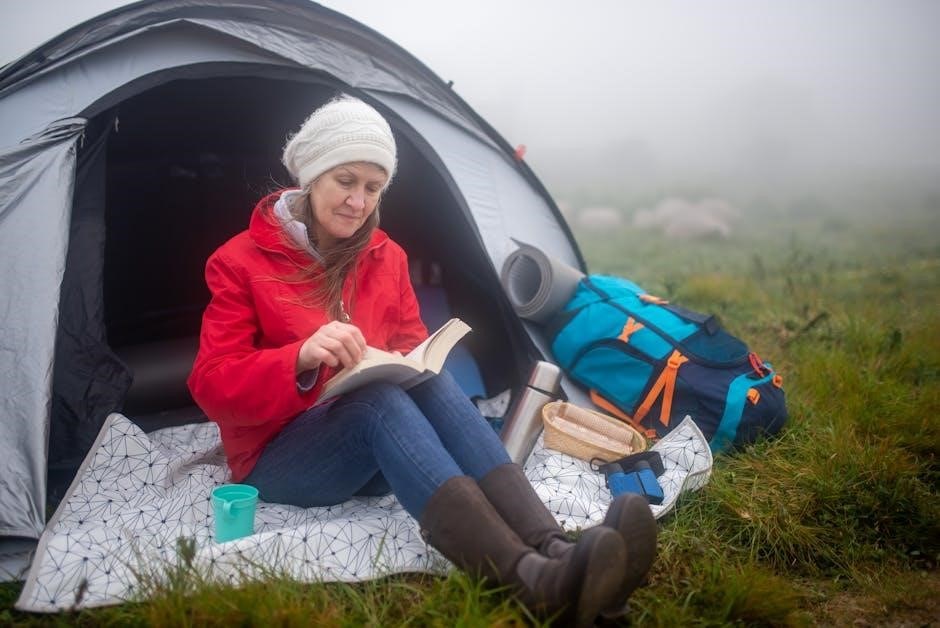
Body fat plays a crucial role in insulation. Fat acts as a natural barrier against heat loss, providing a reserve of energy for warmth. Individuals with lower body fat percentages may feel colder more easily and require warmer sleeping bags to compensate. However, it’s important to note that simply having more fat doesn’t guarantee warmth; efficient circulation is also vital.
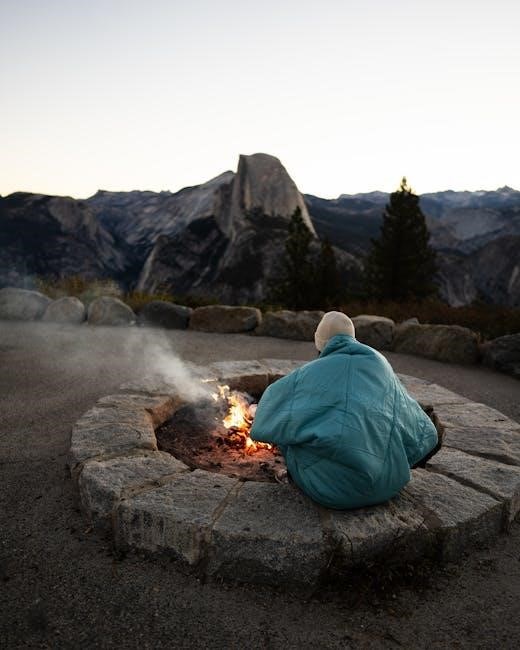
These factors are highly personal. What feels comfortable for one person at a specific temperature might be inadequate for another. Understanding your own metabolic rate and body composition is essential when selecting a sleeping bag and planning for outdoor adventures.
Clothing & Layering Systems
The clothing you wear inside your sleeping bag significantly impacts your perceived warmth. A well-executed layering system is crucial for maintaining a comfortable body temperature throughout the night. Avoid wearing bulky, restrictive clothing that can compress the sleeping bag’s insulation, reducing its effectiveness.
Base layers made of moisture-wicking materials like merino wool or synthetic fabrics are essential for keeping sweat away from your skin. Insulating mid-layers, such as fleece or down jackets, provide additional warmth. A waterproof and windproof outer layer can be helpful in damp conditions, even inside the bag.
Consider a dedicated sleep system – clothing specifically chosen for warmth and comfort in a sleeping bag. Avoid cotton, as it retains moisture and can lead to chilling. A hat is particularly important, as a significant amount of heat is lost through the head. Properly layered clothing maximizes the efficiency of your sleeping bag.
Sleeping Pad R-Value & Insulation
A sleeping pad is just as vital as your sleeping bag for staying warm. It provides crucial insulation from the cold ground, preventing heat loss through conduction. The R-value measures a pad’s resistance to heat flow; higher R-values indicate better insulation.
For three-season camping, an R-value of 3 or higher is generally recommended. Winter camping demands a pad with an R-value of 5 or greater. Different pad types offer varying levels of insulation. Closed-cell foam pads are durable and affordable but typically have lower R-values.

Inflatable pads, often filled with air or synthetic insulation, can achieve higher R-values and offer greater comfort. Self-inflating pads combine foam and air for a balance of warmth and packability. Choosing the right pad, based on the season and expected temperatures, dramatically improves your overall sleep system’s warmth and comfort.
Humidity & Moisture Management
Humidity significantly impacts your perceived temperature while sleeping outdoors. Damp conditions drastically reduce your sleeping bag’s insulating ability, making you feel colder than the temperature rating suggests. Moisture comes from several sources: perspiration, condensation, and external factors like rain or dew.

Effective moisture management is crucial. Choose a sleeping bag with a water-resistant shell to protect against external moisture. Breathable fabrics allow water vapor from perspiration to escape, preventing internal condensation. Proper ventilation within your tent also minimizes moisture buildup.
Consider using a sleeping bag liner, which can absorb moisture and add a layer of warmth. Avoid sleeping in damp clothing. Prioritizing dryness – both inside and outside your sleep system – is paramount for a comfortable and safe night’s sleep, especially in humid environments.
Sleeping Bag Fill Types & Warmth
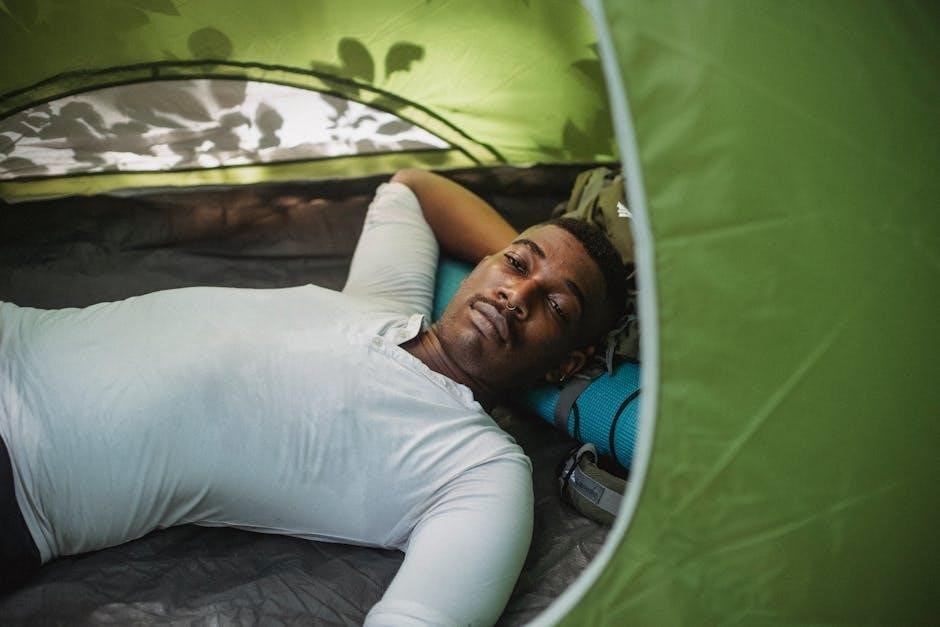
The fill material within a sleeping bag is the primary determinant of its warmth and compressibility. Two main categories dominate the market: down and synthetic fills, each possessing unique characteristics impacting performance. Down, derived from duck or goose plumage, offers an exceptional warmth-to-weight ratio due to its lofting ability – trapping air for insulation.
Synthetic fills, typically polyester fibers, provide warmth even when wet, a significant advantage over down. However, they generally weigh more and are less compressible for the same level of warmth. Fill power, measured in cubic inches per ounce, indicates down quality; higher numbers signify better insulation.
The amount of fill, measured in weight (ounces or grams), also influences warmth. Choosing the right fill type depends on your intended use, climate, and budget. Down excels in dry conditions, while synthetics are preferable in damp environments.
Down Sleeping Bags: Advantages & Disadvantages
Down sleeping bags are renowned for their superior warmth-to-weight ratio, making them ideal for backpacking and situations where minimizing pack size and weight is crucial. The lofting ability of down creates thousands of tiny air pockets, providing exceptional insulation even in frigid temperatures. High-quality down is also incredibly compressible, allowing the bag to pack down small.
However, down’s primary disadvantage is its performance when wet. Moisture significantly reduces its insulating properties, potentially leading to dangerous hypothermia. Drying down can be time-consuming and challenging in the backcountry. Furthermore, down is generally more expensive than synthetic alternatives.
Responsible sourcing of down is also a consideration, with certifications like the Responsible Down Standard (RDS) ensuring ethical treatment of birds. Proper care and storage are essential to maintain down’s loft and longevity.
Synthetic Sleeping Bags: Advantages & Disadvantages
Synthetic sleeping bags offer a compelling alternative to down, particularly for those venturing into damp environments or seeking a more budget-friendly option. A key advantage is their ability to retain some insulating value even when wet, a critical feature for unpredictable weather conditions. They also dry much faster than down, reducing the risk of prolonged discomfort or hypothermia.
Synthetic fills are generally less expensive than down, making them accessible to a wider range of budgets. They are also hypoallergenic, a benefit for individuals with down allergies. However, synthetic bags typically have a lower warmth-to-weight ratio compared to down, meaning they are bulkier and heavier for the same level of warmth.
Compressibility is another area where synthetic bags fall short, requiring more space in your pack. While advancements in synthetic technology are continually improving performance, down still reigns supreme in terms of overall warmth and packability.
Down vs. Synthetic: A Comparative Analysis
The debate between down and synthetic sleeping bag fills centers on performance, cost, and environmental considerations. Down, derived from duck or goose plumage, boasts an exceptional warmth-to-weight ratio and superior compressibility, making it ideal for backpacking and weight-conscious adventurers. However, its performance plummets when wet, requiring diligent moisture management.
Synthetic fills, conversely, excel in damp conditions, retaining insulating properties even when saturated. They dry faster and are generally more affordable and hypoallergenic. However, they are bulkier and heavier than down for equivalent warmth, and their lifespan tends to be shorter.
Down’s ethical sourcing is a growing concern, prompting demand for Responsible Down Standard (RDS) certification. Synthetic materials, while avoiding animal welfare issues, often rely on petroleum-based production. Ultimately, the best choice depends on individual needs, budget, and anticipated conditions – prioritizing warmth and packability versus moisture resistance and cost.
Choosing the Right Bag for Different Seasons
Selecting the appropriate sleeping bag hinges on the season and expected temperatures. Summer sleeping bags, rated 30°F and above, prioritize breathability and minimal weight for warm-weather camping, often utilizing lightweight materials and streamlined designs. These are ideal for situations where warmth isn’t a primary concern.
3-Season sleeping bags (15°F to 30°F) offer versatility, accommodating spring, summer, and fall conditions. They strike a balance between warmth, weight, and packability, making them a popular choice for general backpacking and car camping. Consider layering options for colder nights.
Winter sleeping bags, rated 0°F and below, are built for extreme cold, featuring robust insulation, draft collars, and hooded designs to maximize heat retention. These are essential for mountaineering and winter expeditions, demanding careful consideration of all cold-weather gear.
Summer Sleeping Bags (30°F and Above)
Summer sleeping bags, designed for temperatures consistently above freezing, prioritize lightweight construction and enhanced breathability over extreme insulation. These bags typically feature a 30°F or higher temperature rating, making them ideal for warm-weather camping adventures. Often, they utilize less fill – both down and synthetic options are available – to minimize weight and pack size, crucial for backpacking.
Look for features like full-length zippers for ventilation and roomy cuts to prevent overheating. Many summer bags employ innovative shell fabrics that enhance airflow while providing some degree of moisture resistance. These bags are perfect for those who sleep warm or anticipate mild summer nights. Prioritizing comfort and minimizing bulk are key considerations when selecting a summer sleeping bag, ensuring a restful night under the stars without excessive warmth;
3-Season Sleeping Bags (15°F to 30°F)
Representing the most versatile category, 3-season sleeping bags bridge the gap between warm-weather comfort and cooler-temperature capability. With temperature ratings ranging from 15°F to 30°F, these bags are suitable for spring, summer, and fall camping, offering adaptability across a wider range of conditions. They strike a balance between weight, warmth, and packability, making them a popular choice for backpackers and car campers alike.
Typically, 3-season bags feature a moderate amount of fill, utilizing either down or synthetic insulation; Features like draft collars, zipper baffles, and hooded designs help retain heat on colder nights. Consider a bag with a slightly lower temperature rating if you tend to sleep cold or anticipate encountering particularly chilly conditions. These bags provide a reliable and comfortable sleeping experience throughout much of the year, offering peace of mind in variable weather.
Winter Sleeping Bags (0°F and Below)
Designed for the most extreme conditions, winter sleeping bags are engineered to provide crucial warmth when temperatures plummet to 0°F and below. These bags prioritize maximum insulation, often featuring substantial amounts of high-quality down or advanced synthetic fills. They are essential for mountaineering, ice climbing, and winter backpacking, where survival depends on maintaining a core body temperature.
Winter bags typically incorporate features like heavily insulated hoods, draft tubes along the zippers, and mummy shapes to minimize heat loss. They are often heavier and bulkier than 3-season bags due to the increased insulation. Layering appropriate clothing is paramount when using a winter bag, as is a well-insulated sleeping pad. Choosing the correct temperature rating is critical; err on the side of caution and select a bag rated lower than the expected minimum temperature to ensure a safe and comfortable night’s sleep in frigid environments.
Mummy vs. Rectangular Sleeping Bag Shapes
Sleeping bag shape significantly impacts warmth and weight. Rectangular bags, resembling a traditional blanket, offer ample space and comfort, making them suitable for car camping or warmer weather. However, this extra space creates more air for your body to heat, reducing thermal efficiency and increasing weight due to the larger fabric volume.
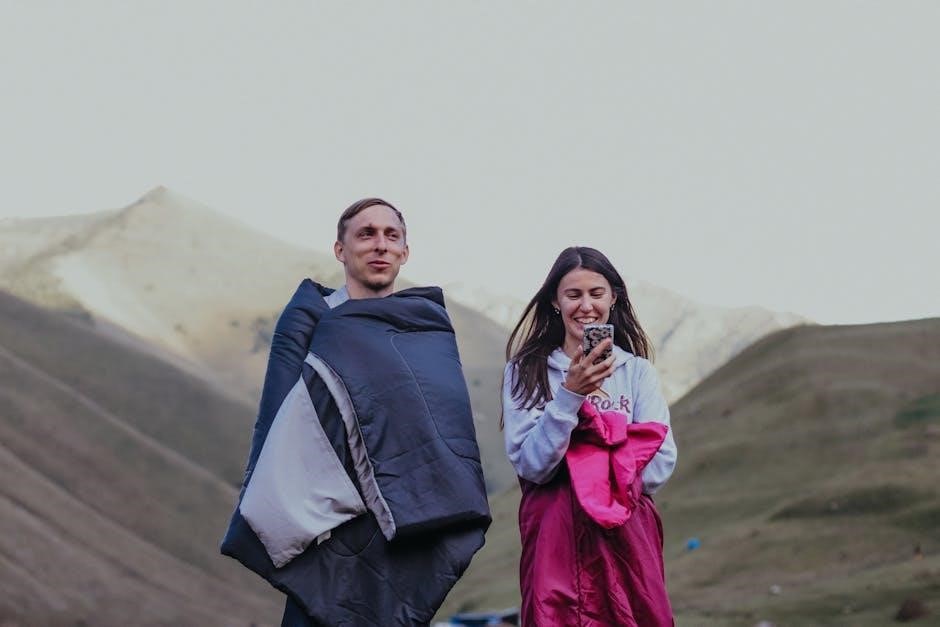
Mummy bags, contoured to the human form, minimize dead air space, maximizing warmth-to-weight ratio. This streamlined shape traps body heat effectively, crucial for colder conditions. While offering superior warmth, mummy bags can feel restrictive for those who prefer more room to move during sleep. A modified mummy shape provides a compromise, offering a balance between warmth and comfort. The choice depends on your priorities: prioritize spaciousness and comfort with rectangular, or warmth and packability with mummy designs.
Sleeping Bag Features to Consider
Beyond temperature ratings and shape, several features enhance a sleeping bag’s performance and usability. Draft collars and tubes minimize heat loss around the neck and zipper, crucial in cold environments. Hoods, often adjustable, provide additional insulation for the head and neck. Zipper baffles prevent warm air from escaping along the zipper line, maintaining internal temperature.
Internal pockets offer convenient storage for small essentials like phones or headlamps. Consider the zipper length – full-length zippers allow for ventilation, while shorter zippers save weight. Water resistance is vital; look for durable water repellent (DWR) finishes on the shell fabric. Finally, assess the bag’s packability and included compression sack size for backpacking convenience. These details contribute significantly to overall comfort and protection during outdoor adventures.
Water Resistance & Shell Materials
The shell material of a sleeping bag significantly impacts its water resistance and durability. Nylon and polyester are common choices, each offering different benefits. Nylon is known for its strength and abrasion resistance, while polyester excels in resisting moisture absorption and stretching. Many bags feature a Durable Water Repellent (DWR) finish, causing water to bead up and roll off, enhancing protection in damp conditions.
However, DWR treatments wear off over time and require reapplication. Fully waterproof shells are less common, as they can compromise breathability. Breathability is crucial to allow moisture vapor from your body to escape, preventing condensation buildup inside the bag. Consider the denier (D) of the fabric; a higher denier indicates a thicker, more durable material. Choosing the right shell material balances water resistance, durability, and breathability for your intended use.