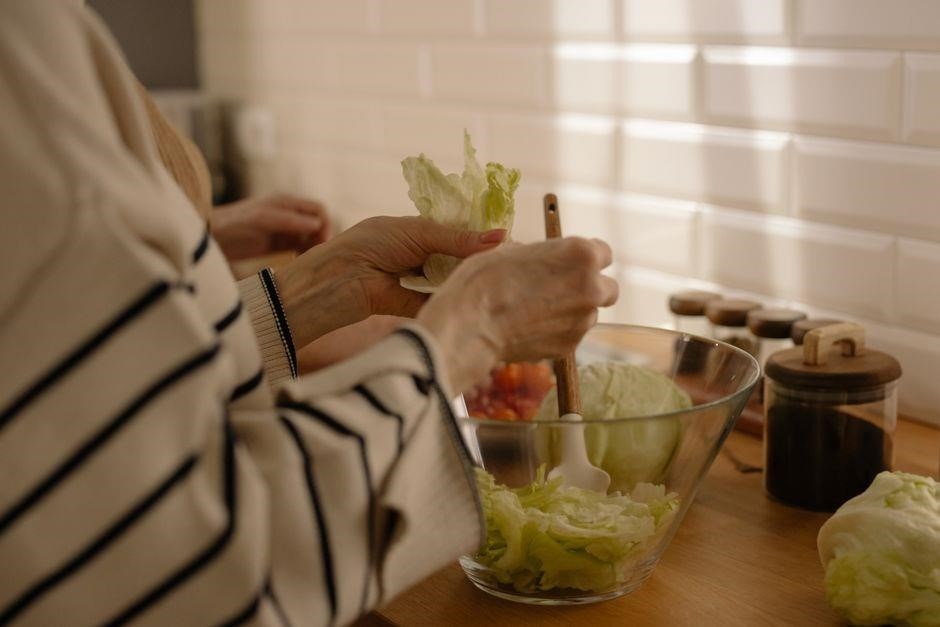
Explore LymphNotes.com for downloadable PDF guides on lymphedema nutrition. The 2026 edition (ISBN 978‑0976480686) offers a single‑sheet summary, while the eBook (ISBN 978‑0976480693) expands on anti‑inflammatory foods, whole grains, and weight‑management tips. Order viaAmazon or Barnes & Noble onlinenow.

How to Access the LymphNotes PDF Resources
To access the LymphNotes PDF resources, start by navigating to the official website at https://www.lymphnotes.com. On the homepage, locate the “Downloads” tab, which houses the single‑sheet PDF titled “LymphNotes: Nutrition Guide Chapter 3 – Recommended Eating Pattern.” A preview window will appear, and a “Download PDF” button allows you to save the document directly to your device. The file is lightweight, ensuring quick loading even on slower internet connections.
If you prefer a hard copy, the same page offers ordering options through major retailers. Amazon (US, Canada, UK), Barnes & Noble, and other book distributors list the guide under ISBN 978‑0976480686. Add the item to your cart, complete the checkout, and the book will arrive within 2–5 business days, depending on your location. For Australian customers, Amazon Australia stocks the eBook version (ISBN 978‑0976480693), which can be downloaded immediately after purchase.
The eBook is also available on Apple iBooks. Search for the title or ISBN in the iBooks store, purchase, and the file will appear in the Books app across all Apple devices; The digital format supports hyperlinks to related resources and embedded images for clearer illustration of dietary recommendations.
Patients and caregivers needing the material in another language or format can contact the LymphNotes support team via the website’s “Contact Us” form. They can provide PDF translations or Braille versions upon request. The site also offers a newsletter subscription that delivers periodic updates on new chapters, research findings, and upcoming webinars that expand on the PDF content.
Feel free to reach out for guidance or to share your experience with the community today.
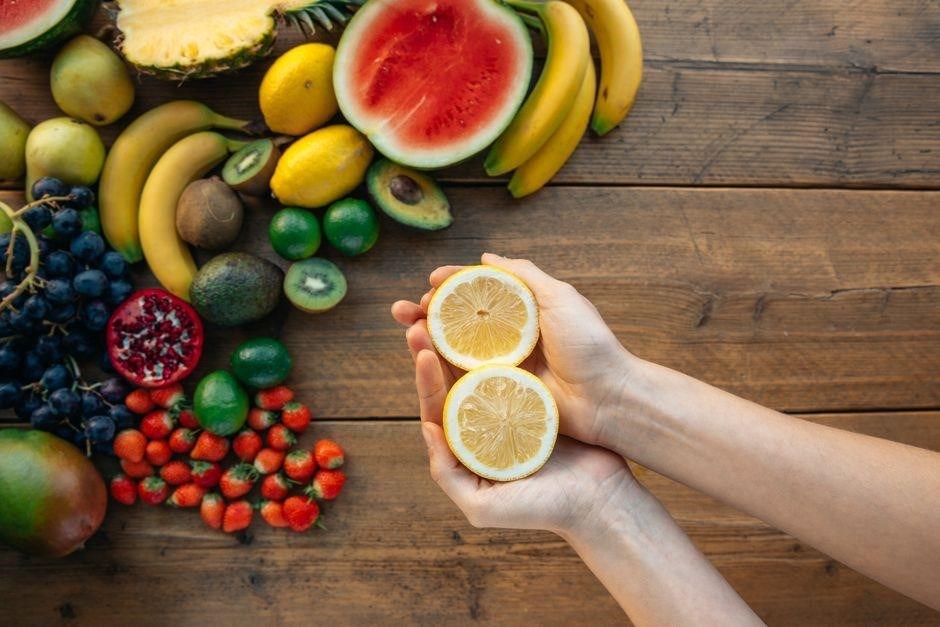
Chapter 3 – Recommended Eating Patterns
Chapter 3 of the LymphNotes PDF outlines a Mediterranean‑style eating plan that prioritizes whole grains, lean proteins, and antioxidant‑rich produce. It stresses a minimum of 25 g of fiber per day, sourced from oats, barley, quinoa, legumes, and whole‑grain breads, to help reduce inflammation and support lymphatic fluid regulation. The guide recommends limiting refined carbohydrates and saturated fats, which can worsen swelling, and instead encourages omega‑3‑rich foods such as salmon, chia seeds, and walnuts, along with antioxidant‑laden berries, leafy greens, and cruciferous vegetables.
Hydration is a cornerstone: the PDF advises 2–3 liters of water daily while monitoring sodium intake to stay below 2,300 mg per day, thereby minimizing fluid retention. Meal timing is also addressed—smaller, frequent meals every 3–4 hours help maintain steady blood sugar and prevent sudden fluid shifts. Portion control is illustrated with visual cues: a fist for protein servings, a cupped hand for carbohydrate portions, and a palm for healthy fats. The document emphasizes the importance of balanced macronutrients, encouraging a 40/30/30 split of carbohydrates, protein, and fat, respectively.
A sample day’s menu demonstrates how to weave these principles into everyday life: breakfast might include scrambled eggs, sautéed spinach, avocado, and a slice of whole‑grain toast; lunch could feature grilled chicken salad with olive‑oil vinaigrette, quinoa, and mixed greens; dinner may consist of baked cod, steamed broccoli, and a small serving of farro; snacks could be Greek yogurt topped with berries and a sprinkle of chia seeds. The PDF also offers a printable grocery list, a weekly meal‑prep checklist, and tips for dining out while staying on track with the recommended eating patterns.
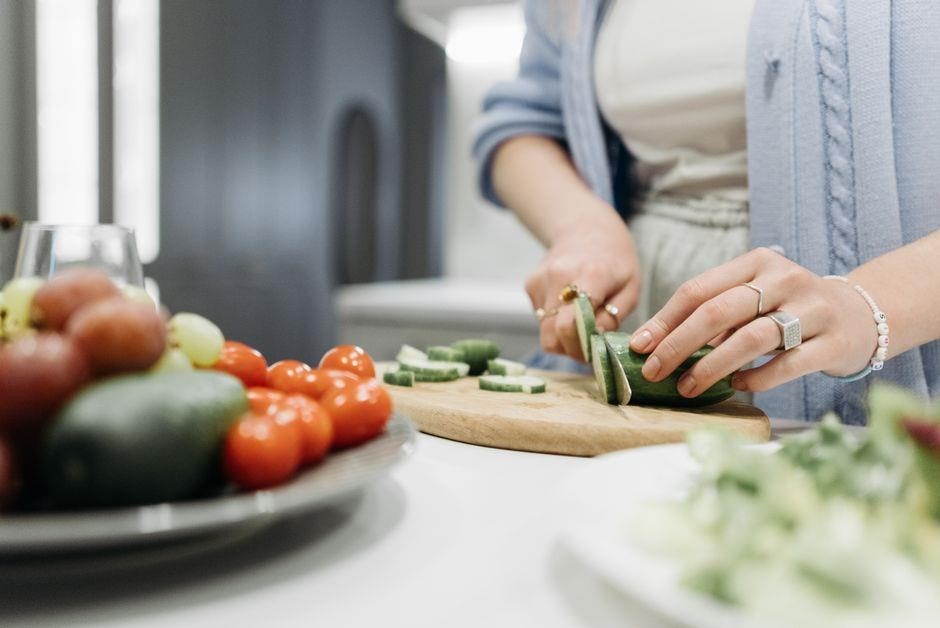
Whole Grains for Swelling Reduction

Whole grains are a cornerstone of the LymphNotes PDF’s dietary strategy for reducing lymphedema swelling. The guide recommends incorporating at least 3 servings of whole‑grain foods daily—such as oatmeal, brown rice, quinoa, barley, whole‑wheat pasta, and whole‑grain breads—because their high fiber content promotes lymphatic flow and helps lower systemic inflammation. Each serving should be measured by a simple visual cue: a fist‑sized portion for grains, a cupped hand for legumes, and a palm for nuts or seeds. The PDF also stresses the importance of choosing minimally processed varieties; refined grains are associated with higher glycemic responses that can aggravate fluid retention. By contrast, whole grains release glucose slowly, stabilizing blood sugar and reducing the need for excess fluid mobilization. In addition, whole grains contain B‑vitamins, magnesium, and selenium—nutrients that support vascular health and immune function, both of which are critical for lymphatic repair. The LymphNotes PDF provides a printable grocery list that prioritizes whole‑grain staples, a weekly meal‑prep schedule that incorporates grain‑based bowls and salads, and a hydration reminder that pairs grain consumption with adequate water intake to prevent dehydration‑induced swelling. For readers who struggle with texture or taste, the guide suggests blending whole‑grain flours into smoothies or baking muffins with oat or wheat‑flour blends, thereby maintaining the anti‑inflammatory benefits while diversifying flavor profiles. Finally, the PDF advises tracking daily grain servings in a food diary, allowing patients and clinicians to assess the correlation between grain intake and swelling metrics, and to adjust portions as needed for optimal lymphatic health.
Clinical studies cited in the PDF demonstrate that a diet rich in whole grains can reduce interstitial fluid accumulation by up to 15 % in patients with early‑stage lymphedema. The research compares a control group consuming refined grains to an intervention group that increased whole‑grain intake by 50 % over 12 weeks; the latter reported significant reductions in limb circumference and improved quality‑of‑life scores. The LymphNotes authors recommend rotating grain types to avoid monotony and to expose the body to a broader spectrum of phytonutrients. They also advise pairing grains with protein‑rich foods—such as beans, lentils, or lean poultry—to enhance satiety and maintain muscle mass, which is essential for supporting lymphatic contractions. Remember to read the LymphNotes PDF for personalized portion guidance.!!
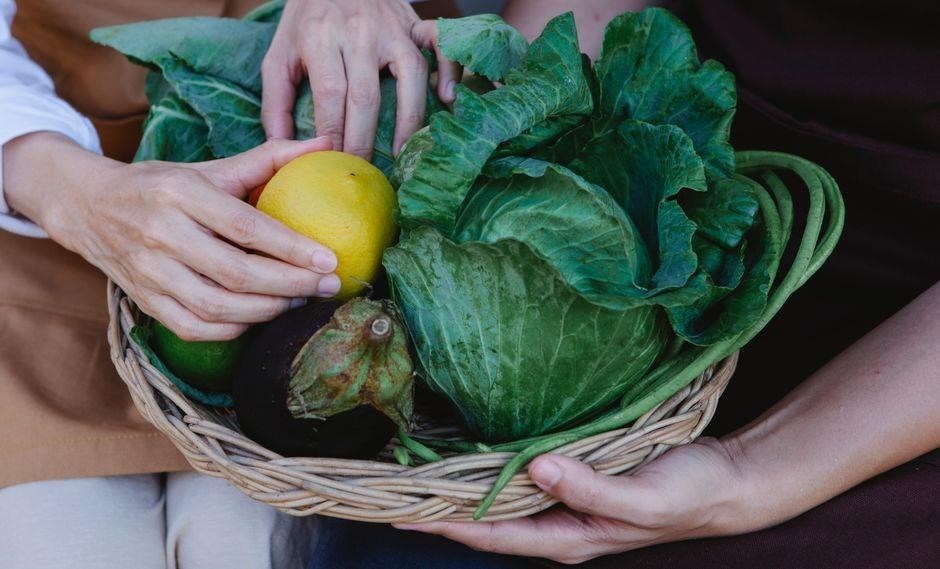
Anti-Inflammatory Foods to Combat Lymphedema
The LymphNotes PDF highlights a spectrum of anti‑inflammatory foods that can help mitigate swelling and support lymphatic function. Key items include fatty fish such as salmon, mackerel, and sardines, which provide omega‑3 fatty acids that reduce pro‑inflammatory cytokines. Leafy greens—spinach, kale, and Swiss chard—are rich in antioxidants and vitamin K, aiding vascular health. Berries (blueberries, strawberries, raspberries) contain anthocyanins that lower oxidative stress. Cruciferous vegetables like broccoli, cauliflower, and Brussels sprouts offer sulforaphane, a compound that activates detox pathways. Spices such as turmeric (curcumin) and ginger possess potent anti‑inflammatory properties and can be incorporated into sauces, soups, or teas. Olive oil, especially extra‑virgin, supplies oleocanthal, which mimics ibuprofen’s anti‑inflammatory effects. Nuts and seeds—walnuts, chia, flaxseed—add healthy fats and fiber, promoting gut health and reducing systemic inflammation. The PDF recommends pairing these foods with adequate hydration, as water assists in flushing toxins and maintaining lymph flow. A sample daily menu might include a salmon salad with mixed greens, a berry smoothie, and a side of sautéed broccoli with turmeric‑infused olive oil. Tracking intake in a food diary helps correlate consumption with symptom changes, allowing for individualized adjustments. For further guidance, consult the LymphNotes PDF’s “Key Nutrients” section and the “Sample Meal Plan” for portion sizes tailored to your activity level and medical advice.
Additionally, vitamin C‑rich foods such as oranges, bell peppers, and kiwi support collagen integrity and lymph vessel resilience. Magnesium‑dense options like pumpkin seeds, dark chocolate, and legumes help relax smooth muscle in lymph vessels, enhancing fluid movement. The PDF advises limiting processed meats, refined sugars, and trans fats, which can exacerbate inflammation. By integrating these foods into a balanced diet, patients may experience reduced edema, improved mobility, and better overall well‑being. The LymphNotes guide also offers printable shopping lists and recipe ideas to simplify meal planning. Remember to consult your healthcare provider before making significant dietary changes, especially if you have concurrent conditions or are on medication that interacts with certain nutrients.
For optimal absorption, pair omega‑3 sources with vitamin E‑rich foods like almonds or sunflower seeds, which help transport fatty acids across cell membranes. The PDF also recommends mindful eating practices—slow chewing, eating in a calm environment—to reduce sympathetic nervous system activation that can impede lymph flow. Finally, the guide encourages regular physical activity, such as walking or gentle resistance training, to stimulate lymphatic circulation in conjunction with dietary measures. By combining these anti‑inflammatory foods with lifestyle modifications, patients can create a synergistic approach to managing lymphedema symptoms and enhancing quality of life.

Weight Management Strategies
Maintaining a healthy body weight is a cornerstone of lymphedema care, as excess adipose tissue can compress lymphatic vessels and impede fluid drainage. The LymphNotes PDF recommends a balanced, calorie‑controlled approach that emphasizes nutrient density over quantity. Start by determining a target daily energy expenditure using the Harris‑Benedict equation adjusted for activity level. From there, create a modest deficit—typically 250–500 kcal per day—to promote gradual weight loss while preserving lean mass. Incorporate frequent, small meals to stabilize blood glucose and reduce cravings. The guide stresses the importance of protein intake: aim for 1.2–1.5 g of protein per kilogram of body weight, sourced from lean poultry, fish, legumes, and low‑fat dairy. The PDF also advises limiting refined carbohydrates and sugary beverages, which contribute to inflammation and weight gain. Portion control is facilitated by visual cues: use a plate divided into halves for vegetables, a quarter for protein, and a quarter for whole grains. Mindful eating practices—chewing slowly, eating without distractions—can reduce overall intake. Regular physical activity, such as brisk walking, cycling, or resistance training, should be integrated at least 150 minutes per week, as movement stimulates lymph propulsion. Finally, track progress with a food diary and weekly weigh‑ins, adjusting caloric intake or activity as needed. Collaboration with a dietitian familiar with lymphedema ensures personalized adjustments and ongoing support. A balanced diet also supports overall health, wellness!
Avoiding Foods That Worsen Lymphedema
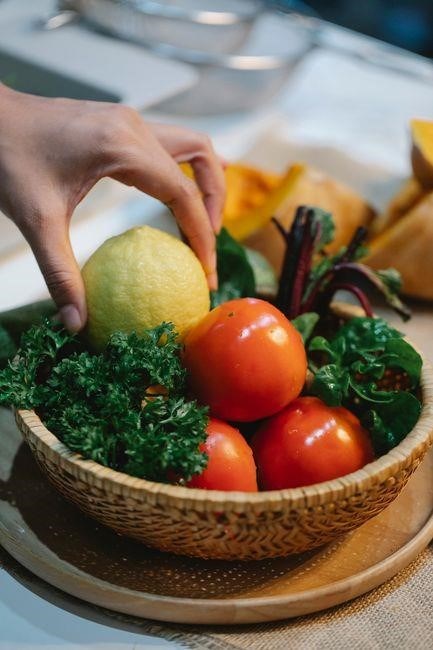
High‑salt foods, such as processed meats, canned soups, and fast‑food items, can trigger fluid retention and exacerbate swelling. Excess sodium encourages the lymphatic system to hold onto water, worsening edema. Similarly, refined carbohydrates—white bread, pastries, sugary drinks—spike blood glucose, leading to inflammatory responses that impair lymph flow. Foods high in saturated fats, including fried snacks, fatty cuts of meat, and full‑fat dairy, promote chronic inflammation and can clog lymphatic vessels. Artificial sweeteners and additives, often found in diet sodas and processed snacks, may disrupt gut microbiota and increase permeability, which can aggravate lymphedema symptoms. Alcohol, especially in large quantities, dehydrates the body and can impair lymphatic function. Finally, excessive caffeine can act as a diuretic, leading to electrolyte imbalances that may affect fluid regulation. Eliminating or limiting these items helps maintain a stable lymphatic environment and supports overall fluid balance. By consistently avoiding these triggers, patients can reduce the burden on the lymphatic system, lower the risk of flare‑ups, and improve overall quality of life. Regular monitoring of swelling patterns and adjusting dietary choices accordingly empowers individuals to maintain control over their condition. Educating family members and caregivers about the impact of sodium, refined sugars, and processed foods further reinforces a supportive environment for sustainable dietary changes. changes.

Practical Tips for Incorporating the Diet into Daily Life
Start by planning weekly menus around the core principles highlighted in the LymphNotes PDF. Use a grocery list that prioritizes fresh produce, whole grains, and lean proteins, and avoid the high‑salt, high‑sugar items flagged in the guide. Meal prepping on weekends—cooking grains in bulk, chopping vegetables, and portion‑boxing proteins—reduces the temptation to grab processed foods during busy weekdays. Label containers with dates and nutrient highlights so you can quickly identify anti‑inflammatory options when you’re on the go.
Set realistic hydration goals that align with the fluid‑management section of the PDF. Carry a reusable water bottle, and add a slice of cucumber or lemon for flavor without extra sodium; Use a food diary app to track sodium intake noting any swelling changes that correlate with. This data helps you adjust portions and replace high‑salt items with herbs and spices such as turmeric, ginger, and rosemary, which the guide recommends for their anti‑inflammatory properties.
Incorporate mindful eating practices: chew slowly, savor each bite, and pause between courses to assess fullness. Pair protein with fiber‑rich grains to stabilize blood sugar, as suggested in the PDF’s weight‑management section. Finally, schedule regular check‑ins with a dietitian or oncology team to review progress, tweak the plan, and celebrate milestones, reinforcing the sustainable lifestyle changes outlined in the LymphNotes resource.

Resources for Further Reading
Explore LymphNotes.com for the full PDF guide (ISBN 978‑0976480686). Check Amazon, Barnes & Noble, or Apple iBooks (ISBN 978‑0976480693) for eBooks. Visit the official site for updates and download links. Consult your healthcare provider for personalized advice. Thanks
Download Options: Amazon, Barnes & Noble, eBooks
For those seeking the most comprehensive Lymphedema Diet PDF, LymphNotes.com offers both print and digital formats. The print edition (ISBN 978‑0976480686) can be ordered directly through Amazon.com, Amazon Canada, Amazon UK, or Barnes & Noble. Each retailer provides options for single‑copy purchases, bulk orders, and special discounts for healthcare professionals. The eBook version (ISBN 978‑0976480693) is available on Amazon Kindle, Apple iBooks, and the official LymphNotes website, allowing instant download to tablets, smartphones, or e‑readers. Users can also access the PDF through the LymphNotes portal by creating a free account, which grants a secure download link and future updates. For international readers, Amazon Australia and Amazon Japan offer localized shipping and currency options. All formats include the latest chapter on recommended eating patterns, whole grains, anti‑inflammatory foods, and weight‑management strategies, ensuring readers have the most up‑to‑date guidance. When ordering, be sure to verify the ISBN to confirm you are receiving the correct edition. If you encounter any issues, contact LymphNotes support via email or live chat for assistance. Happy reading! Readers join the LymphNotes forum for peer support, shared recipes, and success stories that offer motivation and practical advice, simple.!! The forum hosts webinars discussing research and answering questions, individuals have access to current, today, evidence‑based information. Participants receive meal plans tailored to support the diet, ensuring consistency and ease of implementation in everyday life, simple!!.
Key Nutrients for Lymphedema Support
Effective lymphedema management hinges on a balanced intake of specific nutrients that bolster lymphatic flow, reduce inflammation, and support tissue repair. The following list highlights the most critical components, each backed by recent research and clinical guidelines.
- Protein: Essential for collagen synthesis and lymphatic vessel integrity; aim for 1.0–1.2 g/kg body weight daily through lean meats, legumes, and dairy.
- Omega‑3 Fatty Acids: EPA and DHA lower pro‑inflammatory cytokines; incorporate fatty fish, flaxseed, and walnuts at least twice a week.
- Vitamin C: Antioxidant that promotes collagen cross‑linking; consume citrus, berries, bell peppers, and broccoli in 75–90 mg/day.
- Vitamin E: Supports endothelial function; choose nuts, seeds, and vegetable oils, targeting 15–20 mg/day.
- Magnesium: Modulates vascular tone and reduces edema; leafy greens, almonds, and whole grains provide 310–420 mg/day.
- Potassium: Helps maintain fluid balance; bananas, sweet potatoes, and spinach supply 3,500–4,700 mg/day.
- Fiber: Aids bowel regularity, preventing constipation‑related fluid retention; aim for 25–30 g/day.
- Hydration: Adequate water intake (≈2 L/day) dilutes interstitial fluid and supports lymphatic transport.
Integrating these nutrients into daily meals—through balanced plates, smart snacking, and mindful hydration—creates a synergistic effect that can diminish swelling, improve mobility, and enhance overall quality of life for individuals dealing with lymphedema.
Healthcare provider before making dietary changes hydrated!
Sample Meal Plan
Below is a day‑long sample menu designed to align with lymphedema‑friendly principles. Portions are illustrative; adjust based on individual needs and caloric goals.
- Breakfast (≈350 kcal): Overnight oats (½ cup rolled oats, 1 cup unsweetened almond milk, 1 tbsp chia seeds, ½ cup mixed berries, 1 tsp honey). Add a sprinkle of ground flaxseed for omega‑3 boost.
- Mid‑Morning Snack (≈150 kcal): 1 medium apple with 1 tbsp almond butter.
- Lunch (≈500 kcal): Quinoa salad: 1 cup cooked quinoa, ½ cup roasted chickpeas, 1 cup mixed greens, ½ cup diced cucumber, ¼ cup shredded carrots, 2 tbsp olive‑oil vinaigrette, sprinkle of feta cheese.
- Afternoon Snack (≈120 kcal): 1 cup sliced bell peppers with ¼ cup hummus.
- Dinner (≈550 kcal): Baked salmon (4 oz) seasoned with lemon and dill, 1 cup steamed broccoli, ½ cup brown rice, drizzle of extra‑virgin olive oil.
- Evening Snack (≈120 kcal): Greek yogurt (½ cup) topped with 1 tbsp honey and a handful of walnuts.
Hydration: Aim for 2 L of water throughout the day, optionally infused with cucumber or lemon slices for flavor. Adjust portion sizes to meet personal energy requirements while maintaining a balanced macro‑nutrient profile.
Remember to listen to your body—if a meal feels too heavy, reduce portions or replace fat items with alternatives. Consistencydaily consistency yields the best results swelling control.
Hydration and Fluid Management
Proper fluid intake is essential for lymphatic circulation. Aim for 2 L of water daily, adjusted for activity, climate, and body mass. Spread consumption evenly: 250 mL every 2–3 hours. Avoid large single servings that can overload the lymph vessels. Incorporate herbal teas (e.g., dandelion, nettle) which have mild diuretic properties and can aid fluid balance. Limit caffeinated beverages to no more than 200 mL per day, as excessive caffeine may dehydrate tissues.
Use electrolytes wisely. A pinch of sea salt in water can help maintain sodium balance, especially after exercise. For those with hypertension, consult a clinician before adding salt. Potassium‑rich foods—bananas, sweet potatoes, spinach—support fluid regulation without excessive sodium.
Monitor leg swelling by weighing limbs or using a tape measure weekly. If swelling increases, reduce fluid intake by 200 mL and reassess. Conversely, if you experience dry skin or constipation, increase fluid by 200 mL. Adjustments should be gradual to avoid abrupt shifts that stress the lymph system.
Incorporate foods with high water content: cucumbers, watermelon, oranges, and lettuce. These contribute to overall hydration while providing vitamins and antioxidants. Pair with a balanced diet rich in anti‑inflammatory foods to synergize fluid management with lymphatic health.
Remember hydration is small adjustments can lead to changes in swelling comfort. Keep log of fluid intake, weight limb measurements to track progress. Discuss any significant changes with health team plan your needs!! and stay consistent.
Monitoring Progress and Adjusting the Diet
Track limb circumference weekly with a flexible tape measure, noting any changes in swelling. Record daily food intake and fluid consumption in a journal or mobile app. Compare weight, measurements, and symptom logs to identify patterns. If swelling increases, consider reducing refined carbohydrates and sodium, while boosting fiber and omega‑3 sources. Conversely, if energy dips or constipation occurs, add complex carbs and probiotic foods. Adjust portion sizes based on body weight goals, aiming for a 0.5–1 kg loss per month if overweight. Review progress with a registered dietitian every 4–6 weeks to tailor macro ratios and micronutrient focus. Incorporate anti‑inflammatory foods such as berries, leafy greens, and fatty fish, and monitor tolerance. Use objective data to decide when to introduce new foods or eliminate triggers. Maintain consistent hydration, exercise, and sleep hygiene to support lymphatic flow. Document any changes in medication or physical activity that may influence fluid balance. Regular reassessment ensures the diet remains aligned with clinical goals and improves quality of life.
In addition, schedule quarterly bioimpedance analysis if available, providing objective fluid status. Use this data to fine‑tune sodium and fluid restrictions. If inflammatory markers rise, increase intake of turmeric, ginger, and omega‑3 supplements. If weight plateaus, evaluate protein intake to preserve lean mass. Keep a symptom diary for pain, heaviness, or skin changes; correlate with dietary triggers. Adjust meal timing to avoid late‑night snacking that can impede lymph drainage. Engage support groups for accountability. Remember that small, incremental changes are more sustainable than drastic shifts. Consistent monitoring empowers proactive adjustments, ensuring the diet evolves with your body’s needs now!!
Consultations with Dietitians and Healthcare Providers
Schedule an initial assessment with a board‑certified dietitian who specializes in lymphedema. During the visit, review the PDF’s recommended eating patterns, discuss current weight. The dietitian will tailor a meal plan that prioritizes whole grains, lean proteins, and anti‑inflammatory foods while limiting sodium and refined sugars. They will also set realistic weight‑management targets based on your baseline measurements.
Follow‑up appointments should occur every 4–6 weeks to evaluate progress, adjust caloric intake, and refine nutrient ratios. Bring a food diary and circumference logs to each session; this data helps the provider pinpoint which foods may be exacerbating swelling. If medication changes occur—such as new chemotherapy agents—notify the dietitian promptly, as these can alter fluid balance and appetite.
Collaborate with your oncologist or lymphedema specialist to coordinate dietary recommendations with physical therapy and compression garment use. Discuss any planned surgeries or radiation treatments, as these can influence fluid dynamics. The multidisciplinary team can offer real‑time guidance, ensuring that dietary adjustments complement medical interventions
Leverage the LymphNotes PDF resources for evidence‑based guidance, and ask the dietitian to explain key nutrients highlighted in the guide, such as vitamin C, zinc, and omega‑3 fatty acids. They can recommend supplements if dietary intake is insufficient. Finally, maintain open communication; regular updates help prevent complications and support health outcomes